Review: First Time Mom Est. 2026 Embroidery Design
As a designer who spends more time staring at stitch previews than actual fabric, I approach every new machine embroidery design with a mix of excitement and skepticism. We all know that what looks crisp on a screen can turn into a bird's nest of thread if the density is off or the lettering is too tight. Recently, I've been evaluating the First Time Mom Est. 2026 T-Shirt Design to see if it holds up under the needle for real-world projects. This isn't just about whether it looks cute; it's about whether it functions as a reliable asset for a craft business or a heartfelt personalized gift.
Visual Personality and Initial Impressions
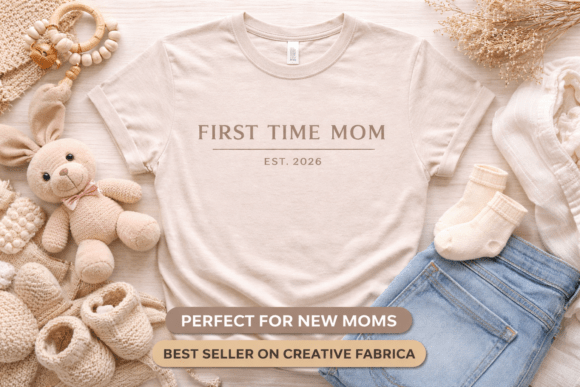
The first thing that strikes me about this Graphics file is its clean, typographic confidence. In the world of maternity wear, designs often lean heavily into cursive scripts or overly floral motifs. This piece takes a different route, offering a modern, established feel with the "Est. 2026" element. It creates a mood that is both celebratory and grounded. For an Etsy seller looking to expand their T-Shirt Designs catalog, this offers a fresh alternative to the saturated market of "Mommy-to-Be" slogans.
The layout feels balanced, with the year acting as a strong anchor. When visualizing this as a finished product, I immediately think of high-quality cotton blends or French terry cloth. The simplicity of the typography suggests that it relies heavily on precise stitching rather than complex fill patterns to make its statement. This minimalism is a double-edged sword; it looks chic, but it leaves no room for error in alignment or thread tension.
Real-World Application Scenarios
To truly test the viability of this design, I imagined a specific client scenario: a boutique owner preparing a line of welcome gifts for a high-end baby shower. The goal was to create something usable beyond the pregnancy itself. Here, the First Time Mom Est. 2026 T-Shirt Design shines as a versatile design asset. While categorized under T-Shirt Designs, its application extends far beyond basic tees.
I envision this working beautifully on a structured tote bag design, perhaps using a contrasting thread color to pop against canvas. It would also translate well to sweatshirt embroidery, where the slightly larger surface area allows the text to breathe. For those running a small shop product line, this could easily be adapted into an embroidered patch for a denim jacket or a diaper bag, adding a custom touch that mass-produced items lack. The "Est." format gives it a timeless quality, making it suitable for holiday embroidery gifts or even nursery decor like a pillow cover, provided the scale is adjusted correctly.
Performance on Different Fabrics and Surfaces
However, practical use requires us to look at the limitations. Typography-heavy files can be tricky on textured fabrics. If you are stitching this onto a waffle knit or a heavily slubbed linen, the clean lines of the letters might get lost or appear jagged. This design demands a smooth surface for optimal clarity. When working with stretchy fabrics, such as those used in custom apparel for expecting mothers, the stability of the text is paramount. Without the right stabilizer, the "2026" could distort after the first wash, ruining the professional look.
Curved surfaces present another challenge. Applying this to a cap or a visor requires careful hooping and likely a smaller version of the file. The straight baseline of the text might fight against the curve of a hat brim, leading to gaps in coverage or puckering. For baby embroidery projects, where fabrics are often thinner and more delicate, you must be cautious about stitch density. A design meant for a adult sweatshirt might be too heavy for a onesie, potentially causing stiffness or irritation against sensitive skin.
Technical Considerations for the Stitcher
Before committing to a production run, there are several technical boxes to check. Since specific file details like exact stitch count or format aren't always visible in a preview, it is crucial to inspect the digital embroidery file properties once downloaded. Does the lettering utilize a satin stitch for a shiny, premium finish, or a fill stitch for durability? Satin looks elegant but can snag easily; fill is robust but might lose detail on small text.
My advice is to always run a test stitch-out on scrap fabric that mimics your final material. Pay close attention to the corners of the letters and the spacing between "Est." and "2026." Tiny gaps can fill in with thread bloom, making the text illegible. You should also review the thread colors suggested. While black on white is classic, testing a monochromatic look or a soft pastel on a dark background can reveal how the design handles contrast. A printable mockup is useful for sales, but nothing replaces seeing the actual thread interaction.
Commercial Viability and Brand Consistency
For commercial embroidery professionals, consistency is key to building customer trust. If this design becomes a staple in your handmade product lineup, ensure that every stitch-out meets the same standard. The value of a personalized gift lies in its execution; a sloppy stitch job can devalue the entire item regardless of how sweet the sentiment is. This design has the potential to enhance brand consistency if used repeatedly across different products, from aprons to blankets, creating a recognizable aesthetic for your brand.
Furthermore, consider the licensing terms explicitly. Just because a design is available doesn't mean it's cleared for unlimited commercial use. Verify whether you can sell the finished product or if there are restrictions on the number of units. This due diligence protects your craft business from legal headaches down the road.
Final Verdict for Makers and Designers
The First Time Mom Est. 2026 T-Shirt Design is a solid contender for anyone looking to add a modern touch to their maternity collection. Its strength lies in its versatility and clean lines, which appeal to contemporary tastes. However, its success depends entirely on the skill of the operator and the choice of materials. It is not a "set it and forget it" file; it rewards attention to detail, proper stabilization, and thoughtful fabric selection.
If you are an apparel decorator or a hobbyist ready to invest the time in testing and refining your process, this design can yield high-quality results that customers will cherish. It bridges the gap between a trendy graphic and a lasting keepsake. Just remember to respect the nuances of the medium—check your hoop size, mind your density, and always prioritize the wearability of the final item. With the right approach, this design can be a profitable and satisfying addition to your creative toolkit.